
.svg)

.svg)
.svg)
Achilles Tendon Pain Treatment in Antioch: A Podiatrist's Complete Guide


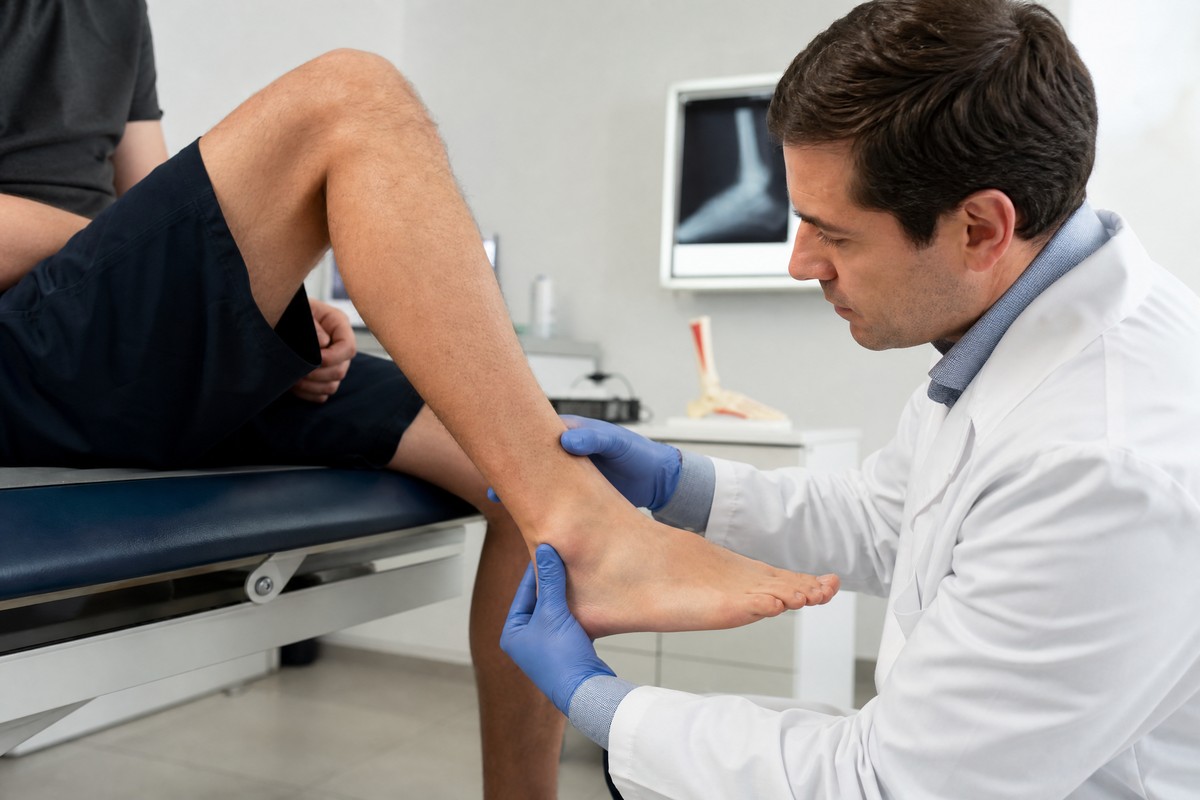
The Achilles tendon is the largest and strongest tendon in the human body. It connects your calf muscles to your heel bone and is essential for almost every movement you make on your feet, from walking and climbing stairs to running and jumping. Because it bears so much stress, it is also highly susceptible to injury and inflammation.
At Diablo Foot & Ankle in Antioch, Achilles tendon pain is a frequent complaint, particularly among active adults and weekend warriors. If you are experiencing a dull ache, stiffness, or sharp pain in the back of your heel or lower calf, you may be dealing with an Achilles tendon injury. Ignoring this pain can lead to chronic issues or even a complete tendon rupture.
This guide will help you understand the causes of Achilles pain and the comprehensive treatment options available at our Antioch clinic.
Understanding Achilles Tendon Injuries
Achilles tendon pain generally falls into two main categories, both of which are forms of tendinopathy (disease of the tendon):
1. Noninsertional Achilles Tendinitis:
This occurs when fibers in the middle portion of the tendon begin to break down, develop tiny tears, and swell. This type of tendinitis more commonly affects younger, active people.
2. Insertional Achilles Tendinitis:
This involves the lower portion of the tendon, right where it attaches (inserts) to the heel bone. In both active and inactive patients, this type of tendinitis can lead to the formation of bone spurs (extra bone growth) on the heel, which further irritate the tendon.
Common Causes and Risk Factors
Achilles tendon injuries are typically overuse injuries. They occur when the tendon is subjected to repetitive stress that exceeds its ability to repair itself. Common causes include:
- Sudden Increase in Activity: Rapidly increasing the intensity, duration, or frequency of your workouts (e.g., suddenly running five miles a day when you usually run two).
- Tight Calf Muscles: If your calf muscles are tight, they place extra tension on the Achilles tendon during movement.
- Improper Footwear: Wearing worn-out athletic shoes or shoes that lack adequate heel support and cushioning.
- Biomechanical Issues: Flat feet, overpronation (inward rolling of the foot), or leg length discrepancies can place uneven stress on the tendon.
- Training on Hard Surfaces: Frequently running or playing sports on concrete or asphalt.
- Age: The Achilles tendon naturally loses flexibility and blood supply as we age, making it more prone to injury.
Symptoms You Should Not Ignore
The symptoms of Achilles tendinopathy usually develop gradually. You should schedule an appointment with our Antioch podiatrists if you experience:
- Pain and stiffness along the Achilles tendon, especially in the morning upon waking.
- Pain in the back of the heel that worsens with activity or exercise.
- Severe pain the day after exercising.
- Thickening or swelling of the tendon.
- A noticeable bone spur at the back of the heel (insertional tendinitis).
- A sluggish or weak feeling in the leg.
Emergency Warning: If you experience a sudden, sharp pain in the back of your calf or heel, accompanied by a "popping" or "snapping" sound, and you are suddenly unable to walk or point your toes downward, you may have suffered an Achilles tendon rupture. This is a medical emergency that requires immediate attention.
Professional Treatment Options in Antioch
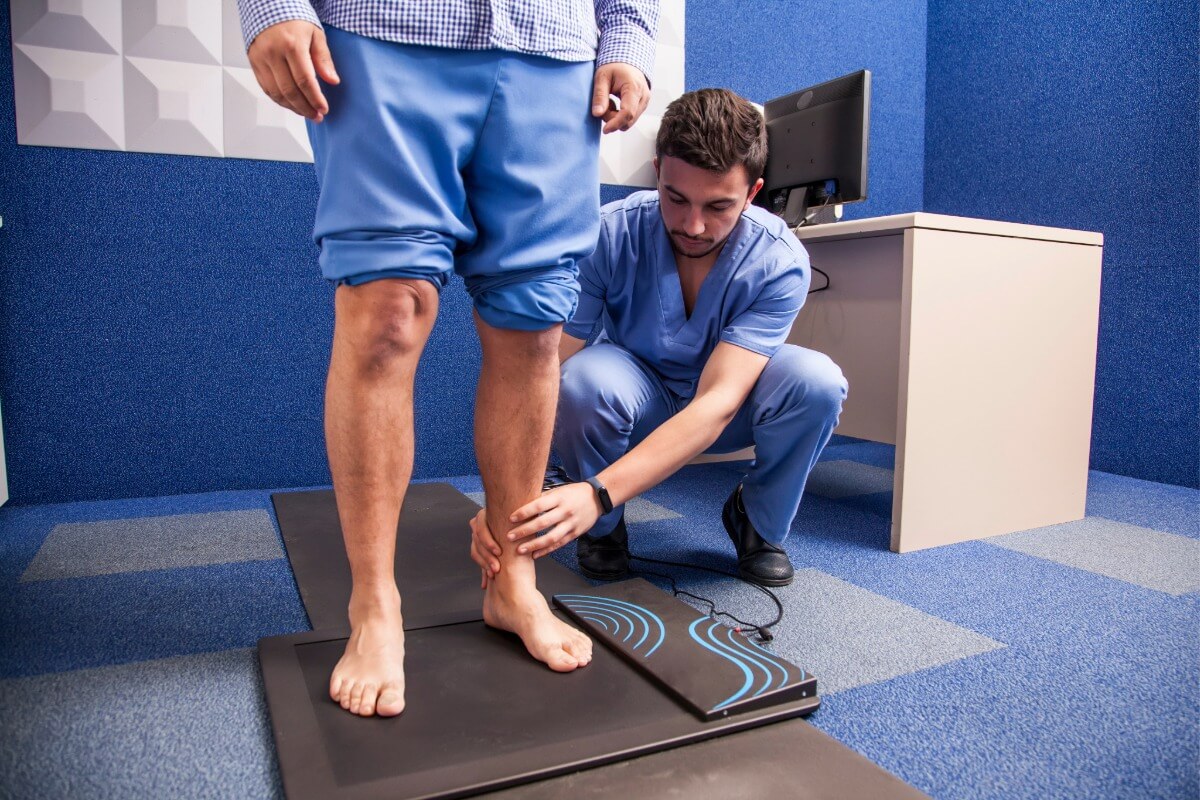
When you visit Diablo Foot & Ankle, our first step is to accurately diagnose the extent of the injury. We will perform a physical examination, assess your gait and foot structure, and may utilize imaging such as X-rays (to check for bone spurs) or an MRI (to evaluate the soft tissue of the tendon).
Once diagnosed, we develop a personalized treatment plan. In most cases, Achilles tendinopathy can be successfully treated with conservative, non-surgical methods.
Conservative Treatments
Rest and Activity Modification: The first and most crucial step is to stop the activities that are causing the pain. You may need to switch to low-impact exercises like swimming or cycling while the tendon heals.
Ice Therapy: Applying ice to the most painful area of the Achilles tendon for 15 to 20 minutes several times a day can help reduce inflammation and pain.
Physical Therapy: This is a cornerstone of Achilles treatment. A physical therapist will guide you through specific exercises designed to stretch the calf muscles and strengthen the Achilles tendon. Eccentric strengthening exercises (which involve lengthening the muscle while it is under tension, such as slowly lowering your heels over the edge of a step) are particularly effective for Achilles tendinopathy.
Custom Orthotics: If biomechanical issues like flat feet or overpronation are contributing to the stress on your tendon, custom-molded orthotics can correct your foot alignment and provide the necessary support.
Heel Lifts: Placing a small lift in the heel of your shoe can temporarily reduce the tension on the Achilles tendon, providing pain relief during the early stages of healing.
Immobilization: In severe cases, we may recommend wearing a walking boot for a short period to completely immobilize the foot and allow the tendon to rest.
Advanced Non-Surgical Treatments
If standard conservative measures do not provide sufficient relief, our Antioch clinic offers advanced therapies to stimulate healing:
Shockwave Therapy (ESWT): Extracorporeal Shockwave Therapy uses high-energy sound waves to stimulate the body's natural healing process. The sound waves increase blood flow to the damaged tendon and trigger the production of new, healthy tissue. It is a highly effective, non-invasive option for chronic Achilles pain.
Sanexas Electrotherapy: While primarily used for neuropathy, the advanced electrical signaling of the Sanexas system can also be utilized to reduce inflammation, increase circulation, and promote cellular repair in damaged tendons.
Surgical Intervention
Surgery is generally only considered if the pain does not improve after six months of dedicated conservative treatment, or in the case of a complete tendon rupture.
Surgical options vary depending on the location and severity of the damage. Procedures may involve removing damaged tissue, repairing tears, removing bone spurs, or lengthening the calf muscles. Our experienced podiatric surgeons will discuss the best surgical approach for your specific condition if it becomes necessary.
Don't Let Heel Pain Keep You Sidelined
Achilles tendon pain can be persistent and frustrating, but it is highly treatable. The key is to seek professional help early, before the tendon damage becomes chronic or leads to a rupture.
If you are experiencing heel or calf pain, the team at Diablo Foot & Ankle in Antioch is here to help. We also serve patients at our Walnut Creek and San Ramon locations.
Call us today at (925) 464-1982 to schedule a comprehensive evaluation. Let us help you heal properly and get back to your active lifestyle.
Disclaimer: The information provided in this article is for educational purposes only and does not constitute medical advice. It is not intended to be a substitute for professional medical advice, diagnosis, or treatment. Always seek the advice of your physician or other qualified health provider with any questions you may have regarding a medical condition. Never disregard professional medical advice or delay in seeking it because of something you have read in this article.
Related articles


Request your podiatry consultation now
Fill out our contact form for a prompt call back. Diablo Foot & Ankle: Premier podiatry group in Walnut Creek & Antioch
