
.svg)

.svg)
.svg)
Back to School Foot Health: What San Ramon Parents Should Know Before the New School Year


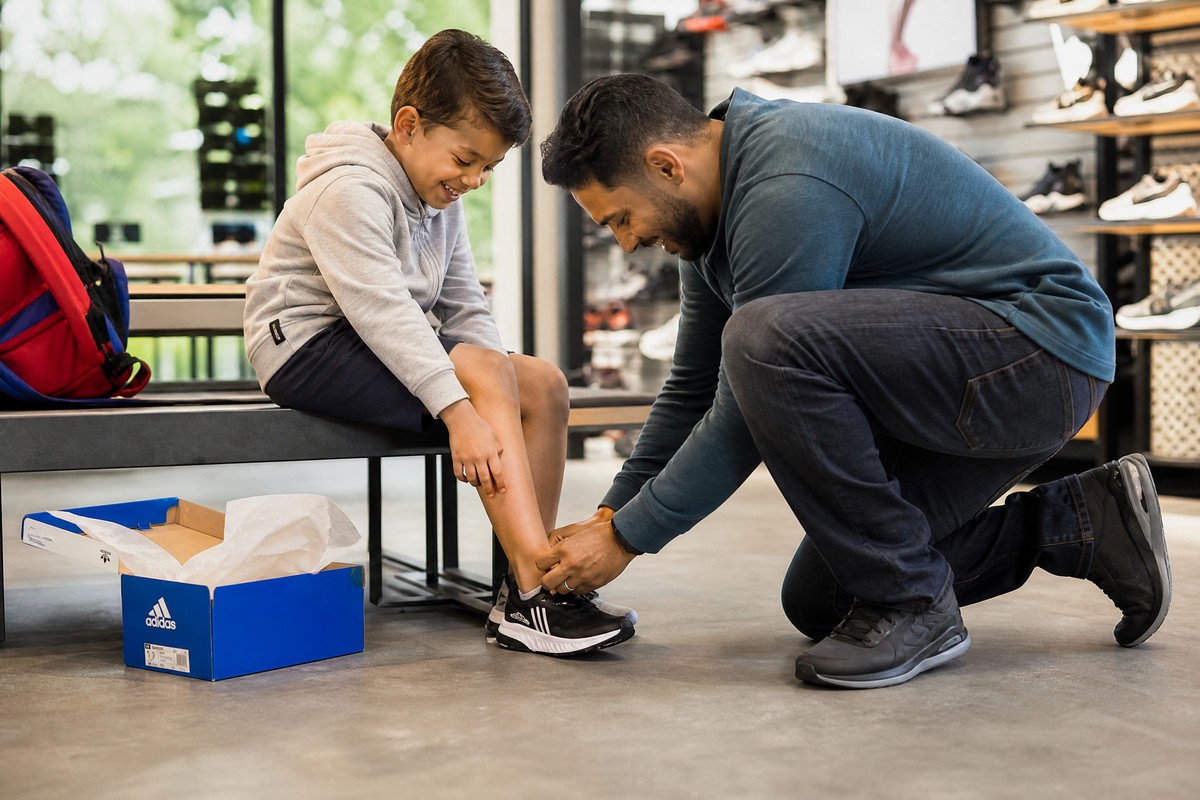
As August rolls around in San Ramon, parents are busy checking off back-to-school lists: backpacks, notebooks, pencils, and, of course, new shoes. While finding the right style is often the priority for kids, finding the right fit and support should be the priority for parents.
Children's feet are constantly growing and developing. The bones in a young child's foot are soft and pliable, making them highly susceptible to deformity and injury if they are forced into ill-fitting shoes or subjected to excessive stress without proper support.
At Diablo Foot & Ankle, our podiatrists in San Ramon, Walnut Creek, and Antioch frequently see an influx of pediatric patients in the early fall. Many of these visits could be prevented with a little proactive care. Here is what every parent needs to know about back-to-school foot health.
The Importance of Proper Shoe Fitting
The most critical step in back-to-school foot care is ensuring your child is wearing the right shoes. A child's foot can grow up to two sizes in a single year, meaning the shoes that fit perfectly in the spring may be painfully tight by the time school starts in the fall.
Tips for Shoe Shopping:
- Shop Later in the Day: Feet naturally swell as the day goes on. Shopping in the late afternoon or evening ensures you are fitting the shoe to the foot at its largest.
- Measure Both Feet: It is very common for one foot to be slightly larger than the other. Always buy shoes to fit the larger foot.
- Check the Toe Box: There should be about a thumb's width of space between the end of your child's longest toe and the front of the shoe. The toe box should be wide enough that the toes are not cramped or overlapping.
- Check the Heel: The heel should fit snugly and not slip up and down when your child walks. A stiff heel counter (the back part of the shoe) provides necessary stability.
- Look for Support: The shoe should bend at the ball of the foot (where the toes bend), not in the middle of the arch. A shoe that folds completely in half offers no support.
- Do Not Rely on "Breaking Them In": Shoes should feel comfortable immediately. If they pinch or rub in the store, they will cause blisters on the playground. Do not buy shoes hoping they will stretch out.
Watch for Signs of Foot Problems
Children are often not the best communicators when it comes to foot pain. They may not know how to describe what they are feeling, or they may simply ignore it so they can keep playing. Parents need to be observant.
Watch for these signs that your child might need to see a podiatrist:
- Complaining of "Growing Pains": While mild aches can occur during growth spurts, persistent pain in the heels or arches is not normal. It could be a sign of Sever's disease (inflammation of the heel growth plate) or flat feet.
- Changes in Gait: If you notice your child limping, walking on their toes, or tripping frequently, it warrants an evaluation.
- Withdrawal from Activities: If a normally active child suddenly wants to sit out during recess or sports practice, foot pain may be the culprit.
- Uneven Shoe Wear: Check the bottom of your child's old shoes. If one side of the heel or sole is significantly more worn down than the other, it indicates a biomechanical imbalance that should be addressed.
- Visible Deformities: Look for bunions (a bump at the base of the big toe), hammertoes (curled toes), or flat feet (where the entire sole touches the floor when standing).
Preventing Sports Injuries
With the start of the school year comes the start of fall sports. Soccer, football, cross country, and volleyball all place immense stress on young feet and ankles.
To help prevent sports injuries:
- Sport-Specific Shoes: Ensure your child has the correct footwear for their specific sport. Cleats for soccer are designed differently than running shoes.
- Gradual Conditioning: Do not let your child jump from a sedentary summer straight into intense daily practices. Encourage them to start conditioning and stretching a few weeks before the season begins.
- Warm-Up and Cool-Down: Teach your child the importance of dynamic warm-ups before practice and static stretching afterward, focusing particularly on the calf muscles and Achilles tendon.
- Do Not Ignore Pain: Teach your child the difference between muscle soreness and sharp joint or tendon pain. "Playing through the pain" often turns a minor issue into a season-ending injury.
The Role of Custom Orthotics for Kids
If your child has flat feet, overpronation, or a structural imbalance, supportive shoes alone may not be enough. In these cases, our podiatrists may recommend custom orthotics.
Custom orthotics are specially designed inserts that fit into your child's shoes. Unlike over-the-counter insoles, which only provide cushioning, custom orthotics are engineered to correct specific biomechanical flaws, align the foot properly, and distribute weight evenly.
For children, orthotics can alleviate pain from conditions like Sever's disease, improve their gait, and prevent minor structural issues from developing into permanent deformities as they grow.
Start the School Year on the Right Foot
A successful school year starts from the ground up. By paying attention to your child's footwear and being alert to the signs of foot problems, you can help them stay active, comfortable, and focused on learning.
If you have any concerns about your child's foot health, the pediatric podiatry experts at Diablo Foot & Ankle are here to help. We provide gentle, comprehensive care for children of all ages at our San Ramon, Walnut Creek, and Antioch clinics.
Call us today at (925) 464-1982 to schedule a back-to-school foot checkup.
Disclaimer: The information provided in this article is for educational purposes only and does not constitute medical advice. It is not intended to be a substitute for professional medical advice, diagnosis, or treatment. Always seek the advice of your physician or other qualified health provider with any questions you may have regarding a medical condition. Never disregard professional medical advice or delay in seeking it because of something you have read in this article.
Related articles
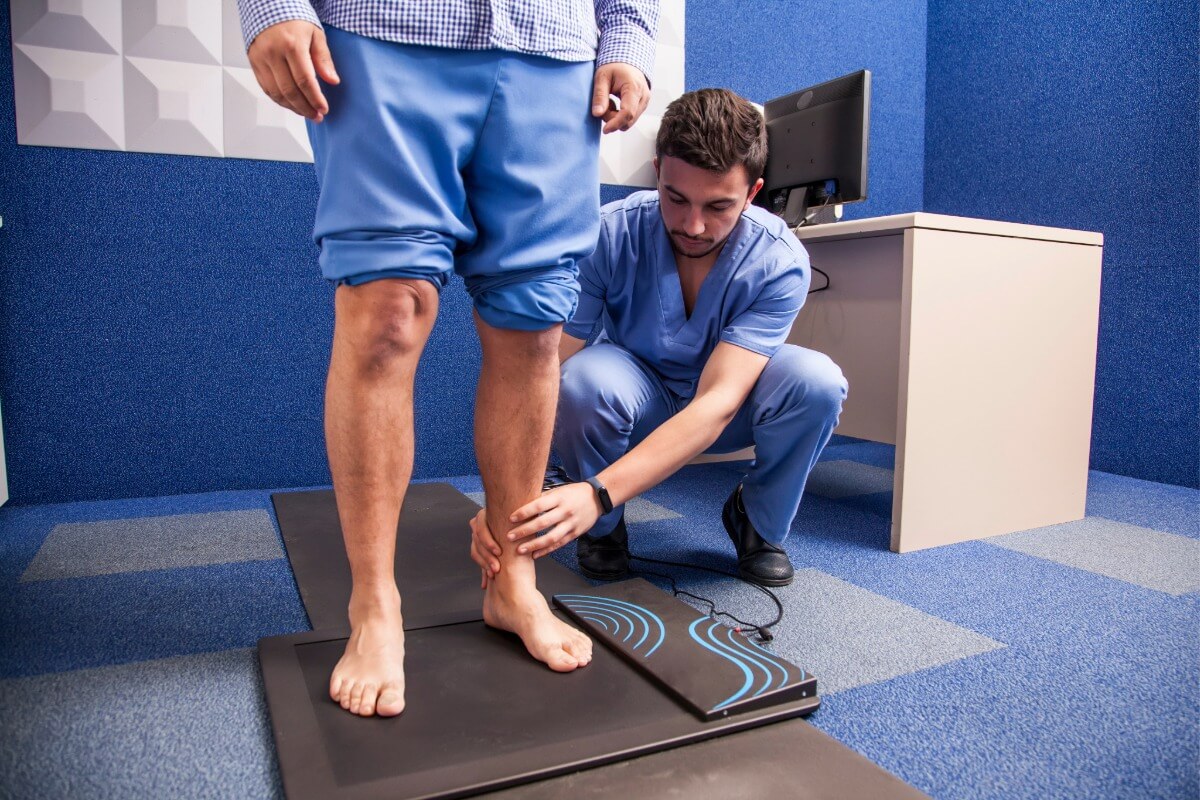


Request your podiatry consultation now
Fill out our contact form for a prompt call back. Diablo Foot & Ankle: Premier podiatry group in Walnut Creek & Antioch
