


Best Shoes for Bunions: What to Look For Before Holiday Events and Travel


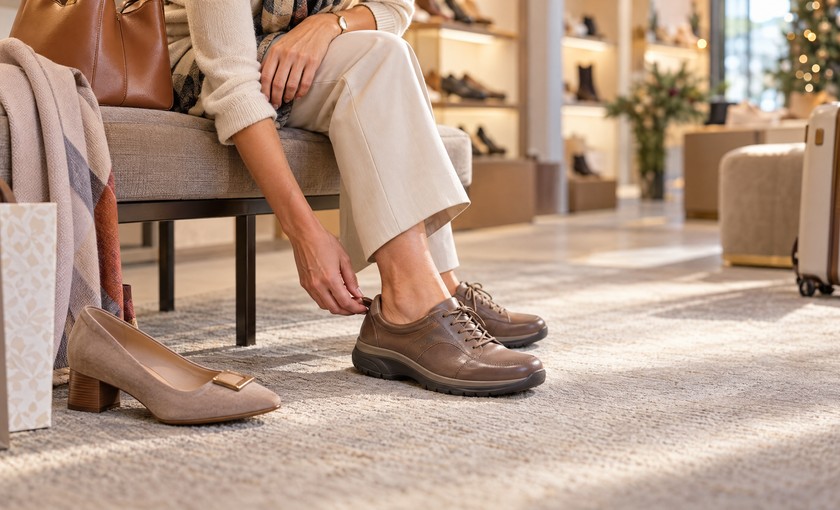
Holiday events, shopping days, and travel can put more time on your feet than usual. If you have a bunion, the wrong shoe can turn that extra time into pressure, rubbing, and pain at the big-toe joint. The goal is not to find a shoe that hides the bump. It is to choose one that gives the front of your foot enough room to move without forcing the bunion against a stiff edge.
A bunion is a bony prominence at the big-toe joint. It can become tender when a shoe presses directly on it, and toe crowding can add discomfort elsewhere in the forefoot. A better-fitting shoe can often reduce irritation. It does not reverse the bunion itself, so ongoing pain or a progressive change in toe position still deserves a professional evaluation.
Start with a roomy, foot-shaped toe box
The toe box is the front portion of the shoe. For many people with bunions, a shoe with a broad, rounded toe area is more comfortable than one that tapers sharply toward the big toe. There should be space for the toes to rest naturally without being pushed together. Depth matters too. A shoe can look wide from above but still press down on the bunion if the upper is too shallow.
Try the shoe while standing and walking, not only while seated. The foot spreads and lengthens when it bears weight, and a shoe that feels acceptable in a chair may pinch after a few minutes on your feet.
Choose an upper that does not create a pressure point
Look at the material and seams over the bunion area. A soft, flexible upper may be more forgiving than a stiff material that presses on the same spot each step. Pay attention to decorative stitching, straps, or a hard edge that crosses directly over the bump. If you feel rubbing in the store, do not assume it will improve after a long holiday gathering or airport day.
Adjustable laces, straps, or closures can be useful because foot volume may change during the day. They can help secure the heel without tightening the forefoot. The goal is a stable fit, not a constricted one.
Think beyond width alone
A shoe can have a wide label and still be a poor match for your foot. The ball of the foot should sit in the widest part of the shoe, and the heel should feel secure with minimal slipping. A low, stable heel and a supportive sole may be more comfortable for extended walking than a narrow heel or a thin, unsupportive sole.
For dressier occasions, comfort does not have to mean one specific style. Look for a pair that keeps the toes from being crowded, has a stable base, and can be worn for short periods at home before the event. If you expect to stand, walk, shop, or travel for hours, consider saving the more formal pair for the briefest part of the occasion and bringing a supportive backup shoe.
A quick fitting checklist
• Measure both feet: Fit the shoe to the larger foot. Foot size can change over time, so do not rely only on a size you wore years ago.
• Shop later in the day: Feet may be larger after normal activity, which can make it easier to judge whether the shoe will still feel comfortable by evening.
• Check toe room: Leave a little space in front of the longest toe, and make sure the toes are not pushed toward one another.
• Walk before buying: Try both shoes on a firm surface if possible. Notice heel slipping, pressure over the bunion, and any rubbing along the little-toe side.
• Bring prescribed inserts: If you use an orthotic, test it inside the shoe. A shoe that feels right without the insert may not have enough depth once the insert is added.
Be careful with pads and correctors
Protective padding can help some people reduce shoe friction, but it also takes up space. Test a pad for a short period at home before wearing it for a full day. If it makes the shoe tighter or increases pressure, stop using it. Night splints, toe spacers, and bunion correctors may have a role in comfort for some people, but they do not permanently realign a bunion. Avoid forcing the toe into a painful position.
If you have diabetes, numbness, poor circulation, or a history of foot wounds, ask a foot and ankle clinician before using a new pad, device, or over-the-counter product. Reduced sensation can make irritation harder to notice early.
When shoe changes are not enough
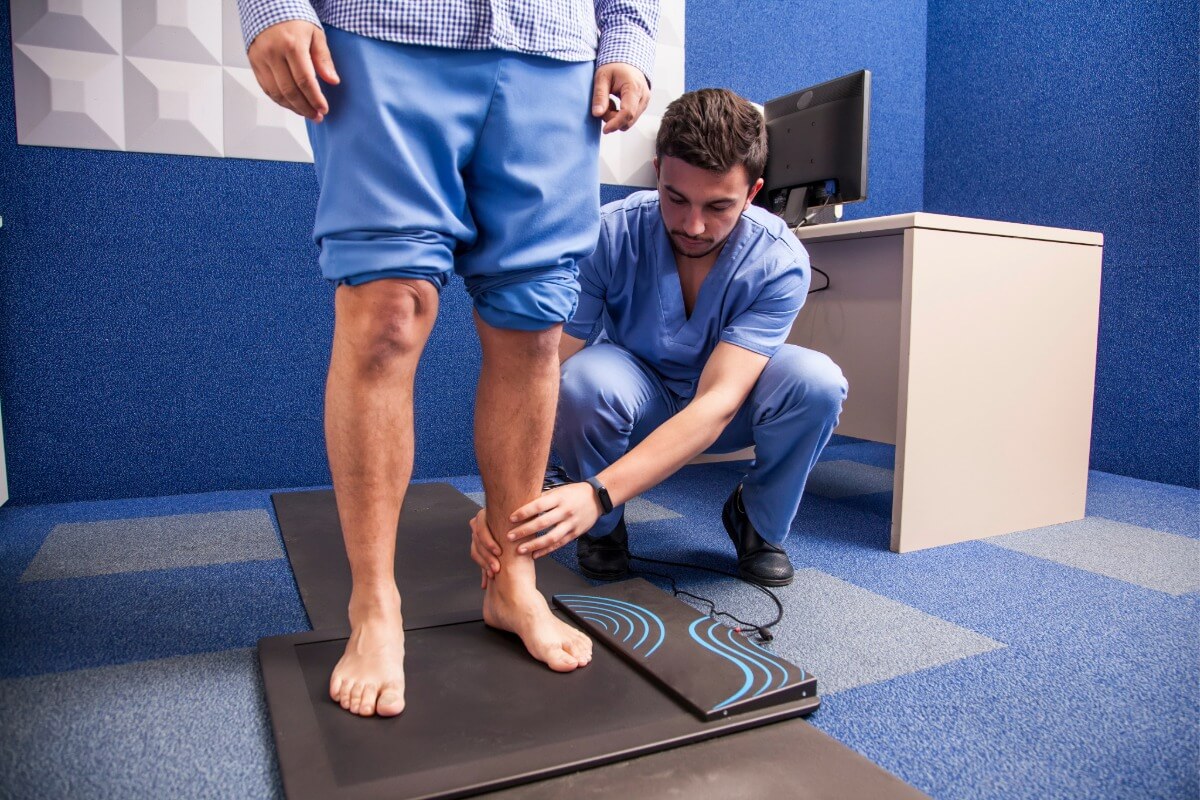
Make an appointment if bunion pain interferes with work, walking, exercise, or normal footwear despite a thoughtful fit. You should also be seen if the skin is breaking down, the bump becomes increasingly red or swollen, the second toe is shifting, or pain is changing the way you walk. An examination can help clarify whether the discomfort is coming from the bunion itself, joint irritation, a callus, a nerve issue, or another source of forefoot pain.
Diablo Foot & Ankle can review footwear, foot mechanics, and treatment options that fit your symptoms and goals. Learn more about bunion care and custom orthotic treatment.
This article is for general educational purposes only and is not medical advice, diagnosis, or a substitute for care from a qualified health professional.
Planning for a busy season should not require walking through persistent foot pain. Request an appointment with Diablo Foot & Ankle in Walnut Creek, Antioch, or San Ramon.
Related articles


Request your podiatry consultation now
Fill out our contact form for a prompt call back. Diablo Foot & Ankle: Premier podiatry group in Walnut Creek & Antioch
