
.svg)

.svg)
.svg)
Bunion Surgery Recovery: What to Expect Week by Week


Deciding to undergo bunion surgery is a significant step toward living a pain-free, active life. If you have reached the point where conservative treatments like custom orthotics and wide-toe shoes are no longer providing relief, surgery may be the best option to correct the structural deformity and eliminate the pain.
At Diablo Foot & Ankle, our podiatrists perform bunion surgeries regularly for patients across Walnut Creek, San Ramon, and Antioch. While the surgical techniques we use are highly advanced—often involving minimally invasive procedures—the recovery process is just as critical to the overall success of the operation.
Understanding what to expect during recovery can help you prepare your home, arrange for assistance, and set realistic expectations for your return to normal activities. Here is a comprehensive guide to bunion surgery recovery.
The First 24 to 48 Hours: Rest and Elevation
The immediate postoperative period is focused on managing pain and minimizing swelling. You will likely go home the same day as your surgery.
What to Expect:
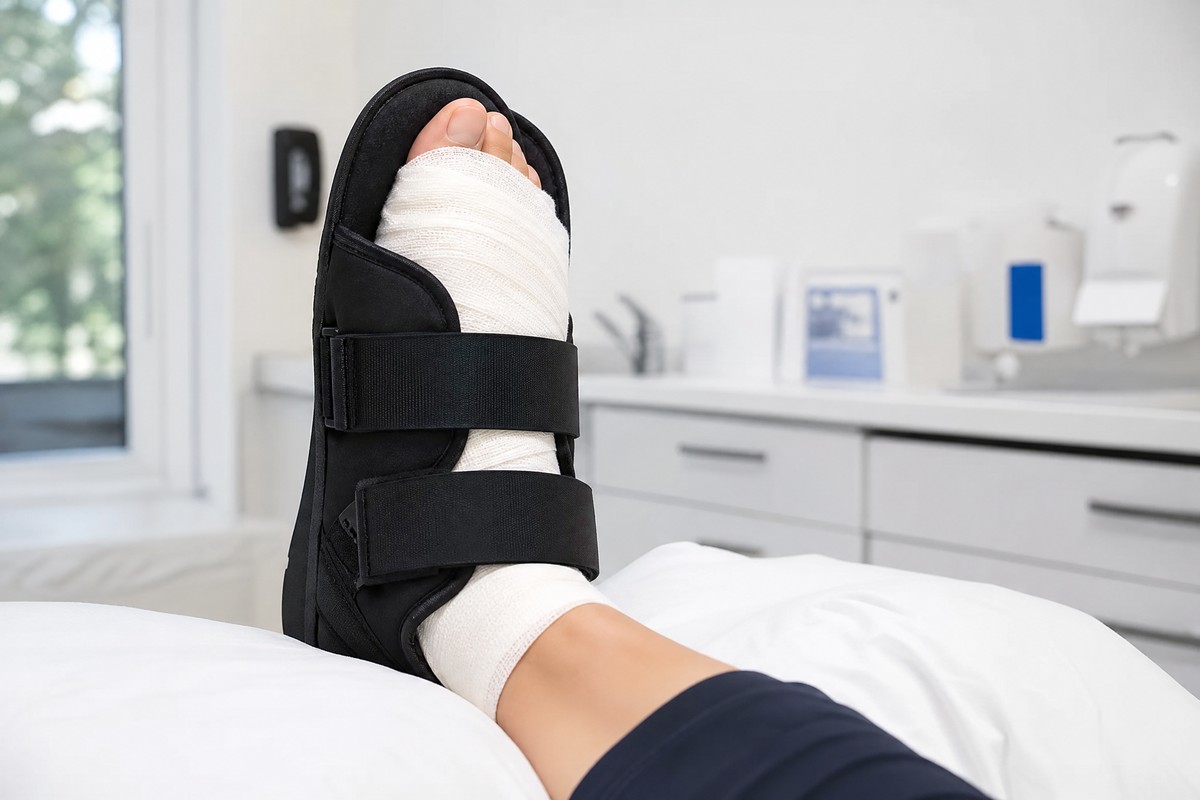
- Your foot will be heavily bandaged and placed in a special surgical shoe or walking boot to protect the surgical site and keep the bones properly aligned.
- You will experience some pain and throbbing as the local anesthesia wears off.
- Swelling is normal and expected.
What You Need to Do:
- Strict Elevation: This is the most important rule for the first few days. Keep your foot elevated above the level of your heart as much as possible. This significantly reduces swelling and throbbing pain. Use pillows to prop up your leg while lying in bed or on the couch.
- Ice Therapy: Apply ice packs behind your knee or behind your ankle (not directly on the surgical dressing) to help cool the blood flowing to the foot, which reduces swelling.
- Pain Management: Take your prescribed pain medication exactly as directed by your podiatrist. Do not wait for the pain to become severe before taking it.
- Limit Mobility: You should only be getting up to use the restroom or get food. Depending on the type of surgery performed, you may be instructed to remain completely non-weight-bearing (using crutches or a knee scooter) or you may be allowed to put weight only on your heel.
Weeks 1 to 2: The Initial Healing Phase
During this phase, the acute pain will begin to subside, but swelling will persist. You will have your first postoperative follow-up appointment at our Walnut Creek or San Ramon clinic.
What to Expect:
- Pain should transition from a constant throb to a dull ache, manageable with over-the-counter pain relievers or a lower dose of prescription medication.
- Your podiatrist will remove the initial surgical dressing, inspect the incision, and likely take X-rays to ensure the bones are healing in the correct position.
- Stitches or sutures may be removed during this time, depending on the type used.
What You Need to Do:
- Continue Elevation: While you can be slightly more mobile, you should still elevate your foot whenever you are sitting or lying down.
- Keep the Incision Dry: You must keep the surgical site completely dry when showering. You will need to use a cast cover or a heavy-duty plastic bag sealed with tape.
- Follow Weight-Bearing Instructions: Strictly adhere to your podiatrist's instructions regarding how much weight you can put on the foot. Doing too much too soon can disrupt the healing bones and compromise the surgical outcome.
Weeks 3 to 6: Transitioning to Normalcy
This is often the most encouraging phase of recovery, as you begin to regain mobility and independence.
What to Expect:
- Swelling will continue to decrease, though it is normal for the foot to swell slightly by the end of the day or after periods of activity.
- You will likely transition out of the surgical boot and into a supportive, wide-toe athletic shoe.
- You may be cleared to begin driving again, provided the surgery was on your left foot or you are no longer taking prescription pain medication and have regained full strength and reflex time in your right foot.
What You Need to Do:
- Physical Therapy: Your podiatrist will likely prescribe specific stretching and strengthening exercises. These are crucial for restoring a normal range of motion in the big toe joint and preventing stiffness.
- Gradual Activity Increase: You can begin to increase your daily activities, but listen to your body. If your foot begins to ache or swell significantly, you need to rest and elevate it.
- Scar Care: Once the incision is completely healed and closed, you can begin gently massaging the area with vitamin E oil or a scar-reduction cream to soften the tissue.
Months 2 to 6: Full Recovery and Return to Activity
Bone healing takes time. While you may feel completely normal after a few months, the internal healing process continues for up to six months or more.
What to Expect:
- You should be able to return to most of your normal activities, including low-impact exercise like cycling or swimming.
- High-impact activities, such as running or jumping, may need to be delayed until the three- or four-month mark, depending on your podiatrist's clearance.
- Minor, residual swelling can persist for up to six months, especially after a long day on your feet.
What You Need to Do:
- Wear Supportive Footwear: The most important thing you can do to protect your surgical result and prevent the bunion from returning is to wear properly fitting, supportive shoes. Avoid high heels and narrow, pointed-toe shoes.
- Use Custom Orthotics: If your podiatrist prescribed custom orthotics to address the underlying biomechanical issues that caused the bunion in the first place, wear them consistently.
Preparing Your Home for Recovery
To ensure a smooth recovery, take some time to prepare your home before your surgery date:
- Create a Recovery Station: Set up a comfortable area on the couch or in bed with plenty of pillows for elevation, the TV remote, your phone charger, books, and a water bottle within easy reach.
- Clear Pathways: Remove throw rugs, electrical cords, and clutter from the pathways you will use most often (e.g., from the bed to the bathroom) to prevent trips and falls while using crutches or a scooter.
- Meal Prep: Prepare and freeze meals in advance, or arrange for family and friends to help with cooking and grocery shopping for the first week or two.
- Bathroom Safety: Consider installing a shower chair or grab bars if you will be non-weight-bearing.
Expert Bunion Care in the East Bay
Bunion surgery is a highly successful procedure when performed by experienced specialists and followed by a dedicated recovery protocol. At Diablo Foot & Ankle, we are committed to guiding you through every step of the process, from your initial consultation to your final postoperative visit.
If you are considering bunion surgery, or if you have questions about the recovery process, contact our clinics in Walnut Creek, San Ramon, or Antioch.
Call us today at (925) 464-1982 to schedule a consultation. Let us help you get back to the activities you love, pain-free.
Disclaimer: The information provided in this article is for educational purposes only and does not constitute medical advice. It is not intended to be a substitute for professional medical advice, diagnosis, or treatment. Always seek the advice of your physician or other qualified health provider with any questions you may have regarding a medical condition. Never disregard professional medical advice or delay in seeking it because of something you have read in this article.
Related articles


Request your podiatry consultation now
Fill out our contact form for a prompt call back. Diablo Foot & Ankle: Premier podiatry group in Walnut Creek & Antioch
