
.svg)

.svg)
.svg)
Heel Pain Won't Go Away? A San Ramon Podiatrist Explains Why and What to Do Next



Heel pain is one of the most common reasons people visit a podiatrist, and it is also one of the most commonly mismanaged conditions in foot health. Millions of Americans deal with heel pain every year, and a significant number of them spend months trying home remedies, stretching routines, and over-the-counter insoles before finally seeking professional care. By that point, what might have been a straightforward case has often become a chronic, stubborn condition that requires more intensive treatment.
If you are a San Ramon resident dealing with heel pain that simply will not go away, this article is for you. At Diablo Foot & Ankle, our podiatrists at our San Ramon, Walnut Creek, and Antioch locations see heel pain patients every day. Here is what you need to know about why heel pain persists, what is actually causing it, and what your treatment options look like.
The Most Common Causes of Heel Pain
Not all heel pain is the same, and identifying the correct underlying cause is the first step toward effective treatment. Here are the conditions our San Ramon podiatrists most frequently diagnose in patients presenting with heel pain.
Plantar Fasciitis: This is by far the most common cause of heel pain, accounting for the majority of cases. The plantar fascia is a thick band of connective tissue that runs along the bottom of the foot, connecting the heel bone to the toes. When this tissue becomes inflamed, typically due to repetitive stress or biomechanical issues, it causes a sharp, stabbing pain at the base of the heel.
The hallmark symptom of plantar fasciitis is pain that is worst with the first steps in the morning or after prolonged periods of rest. This is because the plantar fascia tightens when you are off your feet, and the first steps stretch it suddenly. As you walk, the pain often eases, only to return after extended activity.
Heel Spurs: A heel spur is a bony growth that develops on the underside of the heel bone, typically at the point where the plantar fascia attaches. Heel spurs are often associated with plantar fasciitis and are caused by the same chronic tension and stress on the heel. Importantly, heel spurs themselves are not always painful. Many people have heel spurs visible on X-ray without any symptoms. The pain is usually coming from the inflamed plantar fascia, not the spur itself.
Achilles Tendinitis: The Achilles tendon connects the calf muscles to the heel bone. When it becomes inflamed due to overuse, tight calf muscles, or a sudden increase in activity, it causes pain at the back of the heel and lower leg. Achilles tendinitis is common in runners and in people who have recently increased their activity level, and it is a condition that can progress to a more serious Achilles tendon rupture if not addressed.
Bursitis: There are small fluid-filled sacs called bursae located near the heel that cushion the bones and tendons. When these become inflamed, typically from repetitive pressure or friction, they cause pain at the back or bottom of the heel. Retrocalcaneal bursitis, which affects the bursa between the Achilles tendon and the heel bone, is particularly common.
Stress Fractures: A stress fracture of the heel bone (calcaneus) can occur from repetitive impact, particularly in athletes or individuals who have recently started a high-impact exercise program. Stress fractures cause a deep, aching pain that worsens with activity and improves with rest. They require imaging to diagnose and a period of protected weight-bearing to heal.
Tarsal Tunnel Syndrome: Similar to carpal tunnel syndrome in the wrist, tarsal tunnel syndrome occurs when the posterior tibial nerve is compressed as it passes through the tarsal tunnel on the inside of the ankle. It can cause pain, burning, tingling, or numbness in the heel and sole of the foot.
Why Heel Pain Becomes Chronic
One of the most important things to understand about heel pain is why it so often becomes a chronic problem. The answer lies in the nature of the structures involved and the way most people respond to the pain.
When the plantar fascia or Achilles tendon is repeatedly stressed without adequate recovery time, the tissue undergoes a process called tendinosis, where the normal collagen fibers are replaced by disorganized, weaker tissue. This is not an inflammatory condition in the traditional sense. It is a degenerative process, which is why anti-inflammatory medications often provide only partial relief for chronic cases.
Many patients also continue to walk and bear weight on a painful heel because the pain is manageable, particularly after the initial warm-up period. This continued loading prevents the tissue from healing and perpetuates the cycle of microtrauma and incomplete repair.
The result is a condition that has been present for months or even years, with scar tissue formation, altered gait mechanics, and secondary problems in the knees, hips, and lower back from compensating for the foot pain.
When Home Remedies Are Not Enough
Rest, ice, stretching, and over-the-counter arch supports are appropriate first steps for acute heel pain. If your heel pain has been present for more than four to six weeks without significant improvement, it is time to see a podiatrist. Waiting longer typically means a longer and more complex treatment process.
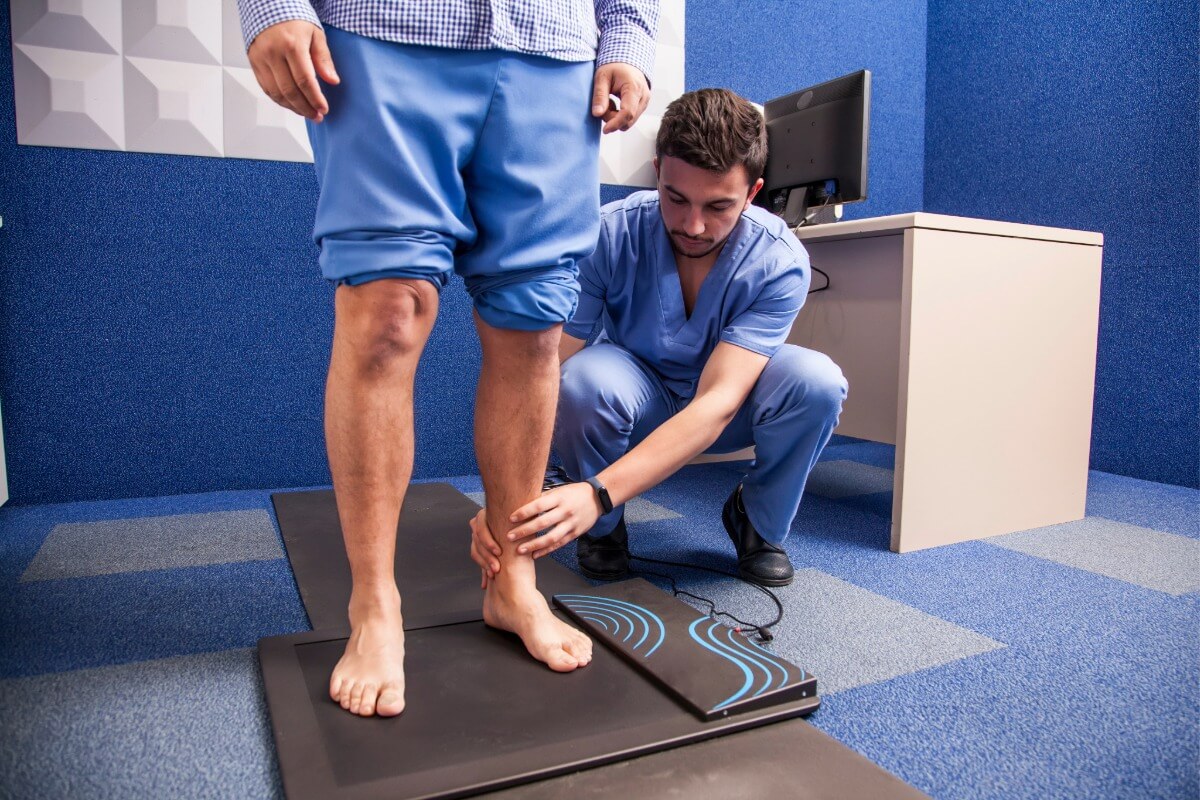
At Diablo Foot & Ankle in San Ramon, our podiatrists will conduct a thorough evaluation that includes a physical examination, gait analysis, and imaging if needed. This allows us to identify the precise cause of your pain and design a treatment plan tailored to your specific condition.
Advanced Treatment Options at Diablo Foot & Ankle
Our San Ramon clinic offers a full spectrum of treatment options for heel pain, from conservative therapies to advanced interventional approaches.
Custom Orthotics: Custom orthotics are one of the most effective long-term solutions for heel pain caused by biomechanical issues. Unlike over-the-counter insoles, custom orthotics are fabricated from a precise scan of your foot and designed to correct the specific alignment problems contributing to your pain. They redistribute pressure away from the inflamed tissue and support the arch in its optimal position.
Physical Therapy and Stretching Protocols: A structured physical therapy program targeting the plantar fascia, Achilles tendon, and calf muscles can significantly accelerate recovery. Our podiatrists will prescribe specific exercises and stretching protocols based on your diagnosis.
Shockwave Therapy: Extracorporeal shockwave therapy (ESWT) is a non-invasive treatment that delivers acoustic pressure waves to the affected tissue. These waves stimulate the body's natural healing response, promoting the formation of new blood vessels and collagen. Shockwave therapy is particularly effective for chronic plantar fasciitis and Achilles tendinopathy that has not responded to conservative treatment. It is available at our San Ramon, Walnut Creek, and Antioch locations.
Sanexas Electrotherapy: Sanexas is an advanced electrotherapy system that uses electric cell signaling treatment (EST) to reduce pain and promote tissue healing. It is particularly effective for patients with chronic heel pain, nerve-related symptoms, or conditions like tarsal tunnel syndrome. Sanexas therapy is a differentiating service available at Diablo Foot & Ankle that is not widely offered by other podiatry practices in the San Ramon area.
Corticosteroid Injections: For acute flare-ups of plantar fasciitis or bursitis, a precisely placed corticosteroid injection can provide significant short-term pain relief and reduce inflammation. These are typically used as part of a broader treatment plan rather than as a standalone solution.
Minimally Invasive Procedures: For cases that do not respond to conservative and interventional treatments, minimally invasive surgical procedures may be considered. Our podiatrists are highly skilled in minimally invasive techniques that address the underlying structural cause of heel pain with minimal recovery time and excellent outcomes.
What San Ramon Patients Are Saying
Diablo Foot & Ankle has earned a strong reputation in the San Ramon community for delivering results where other treatments have failed. Our patients consistently tell us that what they appreciate most is being heard, having their condition thoroughly explained, and receiving a treatment plan that actually works.
If you have been told that heel pain is something you just have to live with, we respectfully disagree. In the vast majority of cases, heel pain can be resolved with the right diagnosis and the right treatment approach.
Schedule Your Appointment in San Ramon
Diablo Foot & Ankle's San Ramon clinic is conveniently located to serve residents throughout the Tri-Valley area. We also have locations in Walnut Creek and Antioch, so wherever you are in the East Bay, expert podiatric care is close by.
If your heel pain has been persisting for weeks or months, do not wait any longer. The sooner you get an accurate diagnosis, the sooner you can start the right treatment and get back to the activities you love.
Call us today at (925) 464-1982 to schedule your appointment. Our team is ready to help you find lasting relief from heel pain.
Disclaimer: The information provided in this article is for educational purposes only and does not constitute medical advice. It is not intended to be a substitute for professional medical advice, diagnosis, or treatment. Always seek the advice of your physician or other qualified health provider with any questions you may have regarding a medical condition. Never disregard professional medical advice or delay in seeking it because of something you have read in this article.
Related articles


Request your podiatry consultation now
Fill out our contact form for a prompt call back. Diablo Foot & Ankle: Premier podiatry group in Walnut Creek & Antioch
