


Preventing Falls Starts at Your Feet: Footwear, Foot Pain, and Balance Concerns



Falls are rarely caused by one thing. A dim hallway, a rushed trip to the bathroom, a medication side effect, weaker muscles, or a change in vision can all matter. The feet are part of that picture every time you stand, turn, or take a step. Foot pain, reduced feeling in the feet, and shoes that do not stay securely on can make it harder to move with confidence and respond to an uneven surface.
Looking at fall prevention from the ground up does not mean assuming every stumble is a foot problem. It means paying attention to a part of the body that is easy to overlook. A thoughtful plan also includes vision, medicines, strength, balance, the home environment, and your overall health.
How foot pain can change the way you walk
When a foot or ankle hurts, many people unconsciously shorten a step, shift weight away from the painful area, or avoid putting the heel or forefoot down normally. That protective change can alter your gait, which is the pattern of walking. Painful arthritis, corns, bunions, hammertoes, skin problems, and injuries are among the issues that can make standing or walking less comfortable. Stiffness in the ankle can also make it harder to adapt when the ground changes.
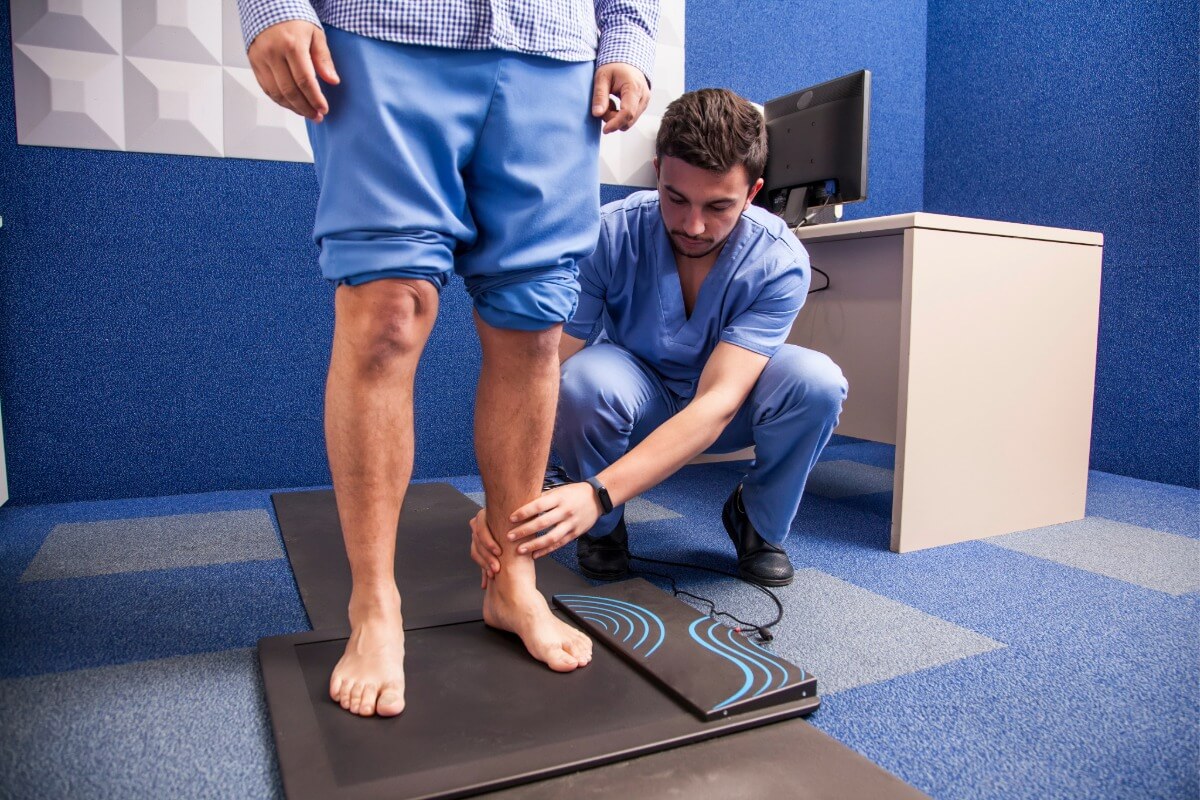
Persistent pain is not something to simply accept as part of aging. It deserves attention, particularly when it changes how you walk, limits your usual activities, or follows an injury. A podiatric evaluation can look at the source of foot or ankle symptoms, shoe fit, walking mechanics, and practical ways to protect comfort and mobility. Diablo Foot & Ankle serves Walnut Creek, Antioch, and San Ramon; you can also learn about available foot and ankle treatments when discussing an individualized plan with your clinician.
Choose shoes that support steady steps
A safer shoe is not necessarily the most expensive shoe or the one with the most cushioning. The best choice is one that fits your foot and stays securely in place. In general, look for a low heel, a stable base, a secure closure such as laces or an adjustable strap, and a slip-resistant sole in good condition. The toe box should give the toes room without allowing the foot to slide forward or side to side.
Backless shoes, floppy slippers, high heels, and shoes with smooth or worn-out soles can make a slip or trip more likely. Walking in socks alone on hard floors or stairs can be risky as well. Keep footwear on for indoor trips, including nighttime bathroom visits, rather than relying on stocking feet.
• Try on shoes with the socks or orthotic devices you normally use, and check that both shoes feel comfortable before leaving the store.
• Fasten laces or straps before walking. Replace shoes when the sole is worn, uneven, or no longer grips well.
• Do not assume a new shoe is safe just because it feels soft. Test it on a clear, familiar surface first and allow time to adjust.
If one foot has changed size or shape, or if swelling makes shoes tight at certain times of day, a clinician can help guide the conversation about fit. Do not force a painful foot into a narrow or unstable shoe.
Reduced sensation deserves extra attention
Feeling the floor through your feet helps the brain adjust posture and balance. Reduced sensation or numbness in the feet and legs can make that feedback less clear. Nerve conditions, diabetes-related complications, circulation concerns, and other health issues can contribute to altered sensation. Numbness can also make it easier to miss a blister, skin breakdown, or an object inside a shoe that changes the way you step.
Check the tops, soles, and spaces between your toes regularly. A hand mirror can help if bending is difficult, and a family member or caregiver may be able to assist. Look inside each shoe before putting it on. Keep the floors you walk on clear and well lit, and avoid going barefoot, especially if you do not reliably feel the surface under your feet.
Contact a foot and ankle clinician or your primary care clinician for new, worsening, or unexplained numbness; a wound, redness, swelling, color change, or warmth in the foot; or a shoe-related pressure spot that does not improve. These changes may need timely assessment, especially for people with diabetes, known nerve problems, or circulation disease.
Vision, medicines, and balance are part of the same plan
Clear vision helps you identify a curb, a step edge, a cord, or a wet patch before your foot reaches it. Schedule recommended eye examinations, use prescribed glasses as directed, and give yourself time to adjust after a new prescription. Good lighting matters too: turn on lights before using stairs, keep paths to switches clear, and use night-lights where you walk after dark.
Some prescription medicines, over-the-counter products, and supplements can contribute to dizziness, sleepiness, confusion, or a drop in blood pressure when standing. Bring an up-to-date list to a medical or pharmacy review, including nonprescription items. Ask whether any side effects or combinations may affect steadiness. Do not stop, skip, or change a medicine on your own; your prescriber or pharmacist can help you make a safe plan.
Balance and leg strength influence how well you recover from a small misstep. Ask a healthcare professional which activity is appropriate for you before beginning a new program, especially after a fall or if pain limits walking. A clinician may recommend a balance or strengthening program, physical therapy, or an assessment of a cane or walker. Mobility aids need the right height and instruction to be useful; borrowing one without guidance can create new problems.
When to arrange a fall-risk assessment
Tell your healthcare clinician about any fall, even when you were not badly hurt. Also mention near-falls, a new fear of walking, increasing unsteadiness, dizziness when you stand, or a noticeable change in gait. These details help the care team decide whether to review vision, medicines, blood pressure, nerve function, footwear, strength, or other contributing factors. A podiatrist can address foot-specific factors, while primary care and other appropriate clinicians can evaluate broader health concerns.
After a fall, seek urgent medical care for severe pain, a visible deformity, inability to bear weight, or an injury that may involve the head, neck, back, or hip. Call 911 for emergency symptoms such as loss of consciousness, new confusion, repeated vomiting, a worsening severe headache, trouble speaking, sudden one-sided weakness or numbness, chest pain, or trouble breathing. If you are hurt or cannot get up safely, do not rush to stand; call for help.
Fall prevention works best as a series of manageable changes: supportive shoes, attention to foot symptoms, a clear walking path, a medication and vision review, and the right support for balance. Diablo Foot & Ankle serves Walnut Creek, Antioch, and San Ramon and can help evaluate foot and ankle concerns that may be affecting your steps.
Educational notice: This article provides general education and is not medical advice, a diagnosis, or a substitute for care from a qualified healthcare professional. Your needs and risks may differ. Request an appointment with Diablo Foot & Ankle to discuss persistent foot or ankle symptoms, footwear concerns, or changes in walking.
Related articles


Request your podiatry consultation now
Fill out our contact form for a prompt call back. Diablo Foot & Ankle: Premier podiatry group in Walnut Creek & Antioch
