
.svg)

.svg)
.svg)
Spring Into Action: How to Protect Your Feet During Outdoor Activities in the East Bay



Spring is here! Protect your feet during outdoor activities with these expert tips from Diablo Foot & Ankle. Our podiatrists in Walnut Creek, Antioch, and San Ramon can help you stay active and pain-free. Call (925) 464-1982 to schedule an appointment.
As the weather warms up and the days get longer, residents across the East Bay are eager to get outside. Whether you are hitting the trails at Mount Diablo, running around the Lafayette Reservoir, or simply enjoying a walk through your neighborhood in Walnut Creek, Antioch, or San Ramon, spring is the perfect time to embrace an active lifestyle. However, this sudden increase in activity can also lead to a spike in foot and ankle injuries if you are not careful.
At Diablo Foot & Ankle, we want to ensure that your transition into spring activities is smooth and pain-free. Our team of experienced podiatrists has put together this guide to help you protect your feet and ankles as you spring into action.
The Risks of Doing Too Much, Too Soon
One of the most common mistakes people make in the spring is trying to pick up exactly where they left off at the end of the previous summer. If you have been relatively inactive during the winter months, your muscles, tendons, and ligaments need time to adjust to the increased demands of outdoor activities.
Jumping into a high-intensity workout routine without proper preparation can lead to overuse injuries. These injuries occur when repetitive stress is placed on a specific area of the foot or ankle, causing inflammation and pain. Some of the most frequent overuse injuries we see in our Walnut Creek, Antioch, and San Ramon clinics during the spring include:
- Plantar Fasciitis: Inflammation of the thick band of tissue that runs across the bottom of your foot, causing sharp heel pain, especially in the morning.
- Achilles Tendinitis: Inflammation of the Achilles tendon, which connects your calf muscles to your heel bone, leading to pain and stiffness at the back of the heel.
- Shin Splints: Pain along the inner edge of the shinbone, often caused by running or walking on hard surfaces.
- Stress Fractures: Tiny cracks in the bones of the foot or lower leg, usually resulting from repetitive impact.
Essential Tips for Spring Foot Protection
To minimize your risk of these and other injuries, it is crucial to take a proactive approach to your foot health. Here are some essential tips to keep in mind as you increase your outdoor activities:
1. Start Slow and Gradually Increase Intensity
The key to avoiding overuse injuries is to ease into your new routine. If you are starting a running program, begin with a mix of walking and jogging, and gradually increase your running time over several weeks. If you are hiking, start with shorter, flatter trails before tackling more challenging terrain. Listen to your body and give yourself adequate rest days between workouts.
2. Invest in the Right Footwear
Your shoes are your first line of defense against foot and ankle injuries. Wearing worn-out or ill-fitting shoes can alter your biomechanics and put unnecessary stress on your joints.
- Replace Old Shoes: Athletic shoes lose their shock absorption and support over time. A general rule of thumb is to replace your running or walking shoes every 300 to 500 miles, or every six months if you use them regularly.
- Choose the Right Shoe for the Activity: Different activities require different types of support. For example, running shoes are designed for forward motion, while cross-training shoes provide more lateral support for activities like tennis or aerobics. Hiking boots offer ankle support and traction for uneven terrain.
- Get Professionally Fitted: Visit a specialty running or outdoor store to have your feet measured and your gait analyzed. A professional can help you find the best shoe for your specific foot type and activity level.
3. Don't Forget to Warm Up and Stretch
A proper warm-up prepares your muscles and joints for the physical demands of your workout. Before you start your activity, spend five to ten minutes doing light cardiovascular exercises, such as brisk walking or jumping jacks, to increase blood flow to your muscles.
Following your warm-up, perform dynamic stretches that mimic the movements of your activity. After your workout, take time to do static stretches, holding each stretch for 15 to 30 seconds. Focus on stretching your calves, hamstrings, and the plantar fascia to maintain flexibility and prevent tightness.
4. Consider Custom Orthotics
If you have structural abnormalities in your feet, such as flat feet or high arches, you may be more susceptible to injuries. Custom orthotics are prescription shoe inserts designed to correct these biomechanical imbalances, provide support, and distribute pressure evenly across your feet.
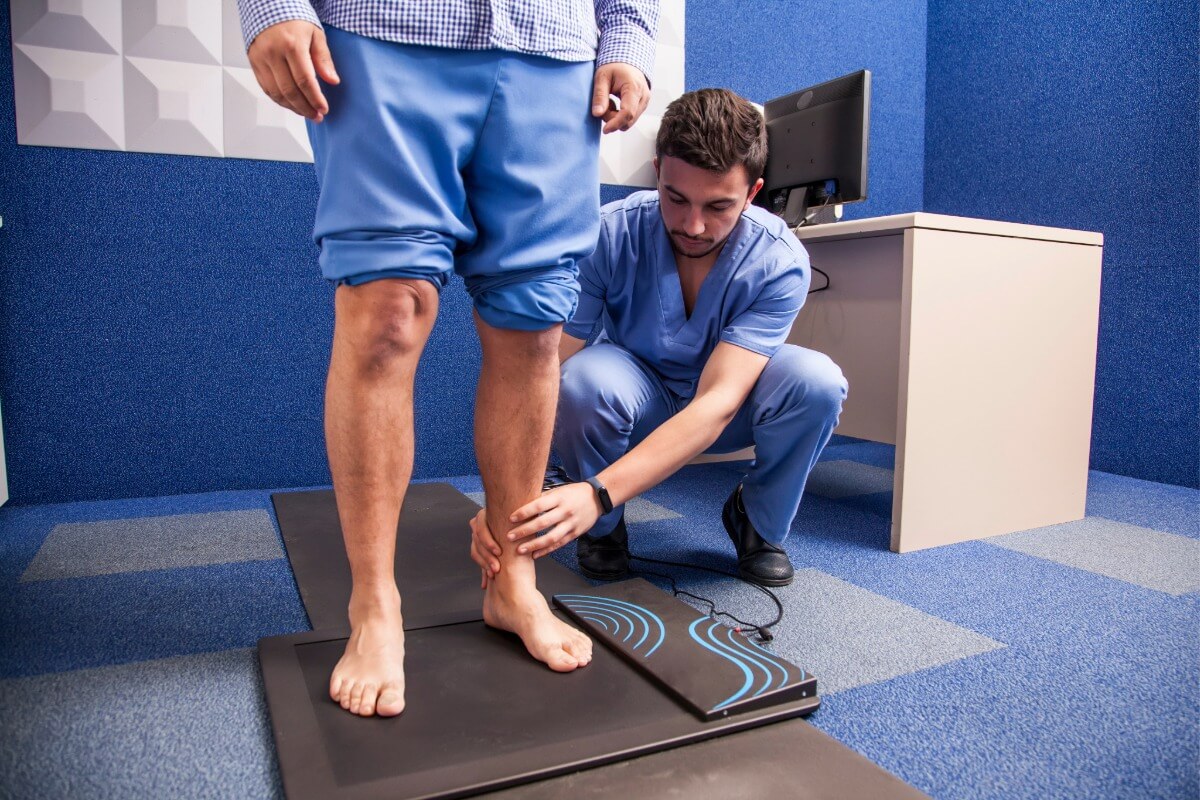
At Diablo Foot & Ankle, our podiatrists can perform a comprehensive evaluation to determine if custom orthotics are right for you. We use advanced technology to create orthotics that are tailored to your unique foot structure and lifestyle needs.
5. Pay Attention to Your Terrain
The surface you exercise on can significantly impact your feet and ankles. Running or walking on hard surfaces like concrete or asphalt increases the shock transmitted to your joints. Whenever possible, opt for softer surfaces like dirt trails, grass, or a rubberized track. If you must exercise on hard surfaces, ensure your shoes provide adequate cushioning.
When to See a Podiatrist
Despite your best efforts, injuries can still happen. It is important to know when to seek professional medical attention. Do not ignore persistent pain, as pushing through it can worsen the injury and lead to a longer recovery time.
You should schedule an appointment with a podiatrist if you experience any of the following symptoms:
- Severe pain or swelling in your foot or ankle
- Inability to bear weight on your foot
- Pain that does not improve with rest, ice, and over-the-counter pain relievers after a few days
- Numbness or tingling in your toes
- Signs of infection, such as redness, warmth, or red streaks extending from the affected area
Your Partners in Foot Health
At Diablo Foot & Ankle, we are dedicated to helping you stay active and enjoy all that the East Bay has to offer. Whether you need advice on footwear, treatment for an injury, or custom orthotics to improve your performance, our team is here to provide expert, compassionate care.
We proudly serve patients at our three convenient locations:
- Walnut Creek
- Antioch
- San Ramon
Do not let foot or ankle pain keep you on the sidelines this spring. Contact Diablo Foot & Ankle today at (925) 464-1982 to schedule a consultation. Let us help you put your best foot forward!
Disclaimer: The information provided in this article is for educational purposes only and does not constitute medical advice. It is not intended to be a substitute for professional medical advice, diagnosis, or treatment. Always seek the advice of your physician or other qualified health provider with any questions you may have regarding a medical condition. Never disregard professional medical advice or delay in seeking it because of something you have read in this article.
Related articles


Request your podiatry consultation now
Fill out our contact form for a prompt call back. Diablo Foot & Ankle: Premier podiatry group in Walnut Creek & Antioch
