


Why Are My Feet Cold When the Rest of Me Is Warm?


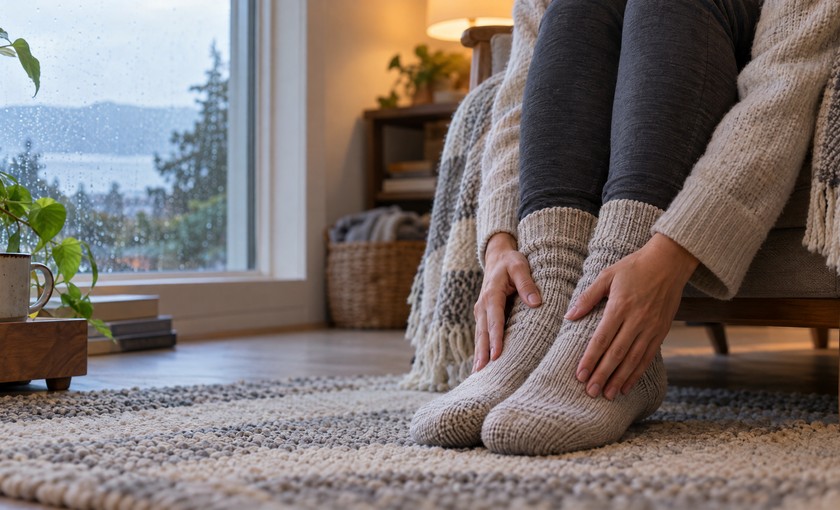
Cold feet on a cool morning can be ordinary. Thin socks, damp shoes, a cold floor, or simply sitting still for a while can make the feet feel chilly even when the rest of the body is comfortable. But if the feeling is frequent, persistent, or paired with a color change, numbness, pain, or a wound, it is worth paying attention.
Foot temperature by itself does not identify the cause. Nerves, blood flow, cold exposure, footwear, medicines, and other health conditions can all affect how the feet feel. The useful question is not only, “Are my feet cold?” It is also, “Is this new, one-sided, worsening, or accompanied by other changes?”
Notice the pattern before making assumptions
Both feet that feel cold after being outside or sitting near a draft may improve with dry socks, a warmer room, and normal movement. A different pattern may need an evaluation. For example, one foot that is consistently colder than the other, a sudden temperature change, or coldness that occurs with pain while walking can be important information for a clinician.
Look at the skin as well as the sensation. Pale, blue, or unusually red skin, a new sore, persistent swelling, or changes in hair or nail growth are not details to ignore. Numbness, tingling, burning, or a reduced ability to feel heat and cold can also change the safety plan because an injury may be easier to miss.
Why blood flow and nerve sensation matter
The feet depend on healthy circulation and normal sensation. When blood flow is reduced, a foot or lower leg may feel cooler, particularly compared with the other side. Reduced sensation can create a different problem: a foot may be injured or exposed to heat without giving a reliable warning. These patterns can overlap, which is one reason an in-person assessment is more useful than trying to diagnose the issue from temperature alone.
Diabetes deserves special attention. Diabetes can affect both nerves and blood flow in the feet. If feeling is reduced, a person may not notice a tight shoe, hot surface, blister, cut, or crack in the skin. Daily foot checks and well-fitting shoes are especially important for people with diabetes, neuropathy, circulation concerns, or a history of foot wounds.
Safe steps for ordinary cold exposure
If cold feet are clearly linked to the environment and there are no warning signs, simple measures may help. Change out of wet socks or shoes. Choose clean, dry socks that fit without bunching, and wear supportive shoes or slippers indoors rather than going barefoot. Gentle walking or ankle movement can help after you have been sitting still.
Use caution with direct heat. Avoid falling asleep with a heating pad on your feet or soaking them in very hot water. If you have reduced sensation, diabetes, or circulation problems, you may not accurately feel when heat is too intense. Warm, not hot, water and careful skin checks are safer choices.
- Check your shoes: Make sure there is no folded sock, pebble, rough seam, or worn area pressing on the foot.
- Inspect both feet: Look at the tops, soles, heels, and between the toes for cracks, blisters, redness, drainage, or a new sore.
- Protect the skin: Moisturize dry skin on the top and bottom of the feet, but do not apply lotion between the toes.
- Track the trigger: Note whether the problem is linked to activity, a certain shoe, cold exposure, nighttime, or one specific foot.
When to call a clinician
Schedule an evaluation if cold feet keep returning, do not improve with normal warming, interfere with walking, or occur with numbness, tingling, burning, cramps, wounds, or a change in skin color. Make an appointment sooner if you have diabetes, known circulation concerns, loss of feeling in the feet, or a history of ulcers or infections.
Seek prompt medical attention for a foot that becomes suddenly cold, pale, blue, severely painful, numb, or weak. Prompt evaluation is also important for an open sore, spreading redness, drainage, fever, or a wound that is not healing. These signs should not be managed with home remedies alone.
Get a clearer answer when a pattern persists
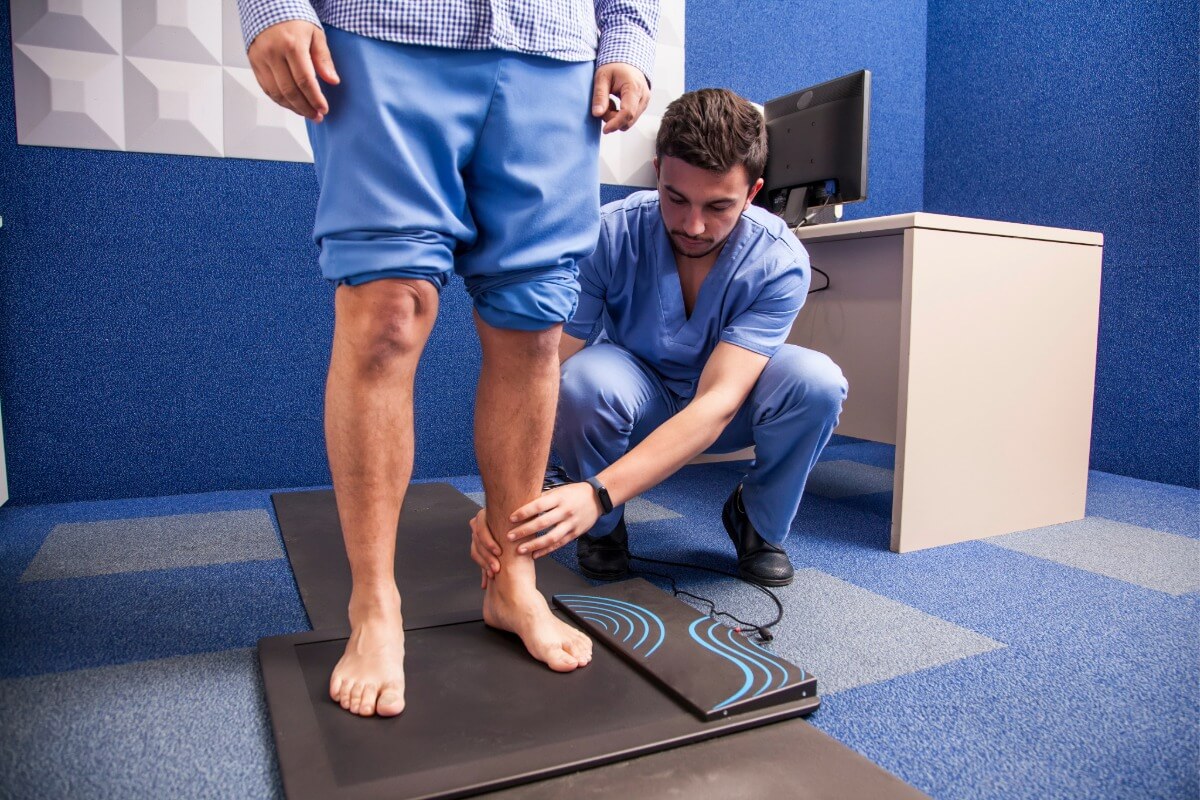
A foot and ankle evaluation can look at skin condition, pulses, sensation, footwear, and the way you walk. Depending on the pattern, a clinician may also recommend coordination with your primary care clinician or another specialist. The aim is to identify the concern early, protect the skin, and make sure the next step fits the actual cause.
Explore Diablo Foot & Ankle resources for diabetic foot care and diabetic neuropathy.
This article is for general educational purposes only and is not medical advice, diagnosis, or a substitute for care from a qualified health professional. For sudden or severe symptoms, seek urgent medical care.
If a change in foot temperature, sensation, or skin condition is raising questions, request an appointment with Diablo Foot & Ankle in Walnut Creek, Antioch, or San Ramon.
Related articles


Request your podiatry consultation now
Fill out our contact form for a prompt call back. Diablo Foot & Ankle: Premier podiatry group in Walnut Creek & Antioch
