


Why Do My Feet Swell When I Fly? Holiday Travel Tips and When to Get Care


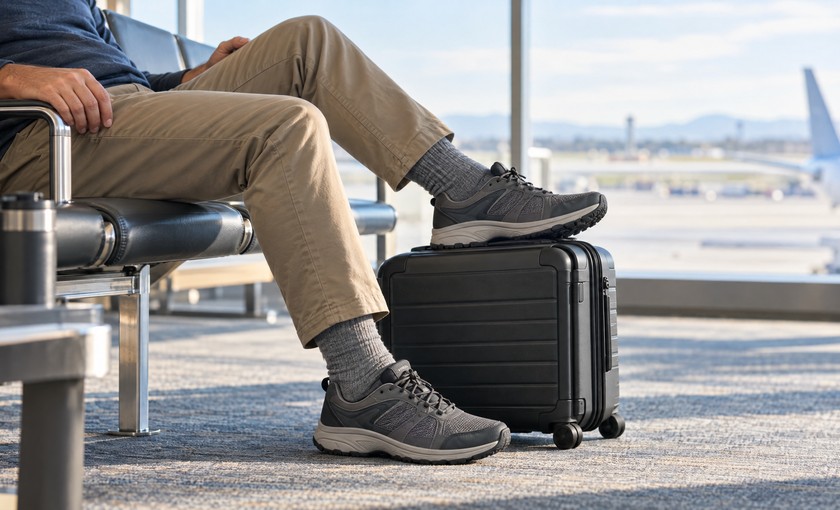
A flight, long drive, or full day in an airport can leave shoes feeling tighter than usual. Mild swelling in the feet and ankles is common after sitting for a long time. When the legs stay still, fluid can collect in the lower legs and feet. For many healthy travelers, the swelling improves after normal movement and time on the ground.
Travel-related swelling should still be taken seriously when it is one-sided, painful, persistent, or paired with other symptoms. The goal is not to dismiss every swollen ankle as “just flying.” It is to know which patterns may be expected and which deserve prompt medical attention.
Why feet can swell during a flight
When you sit with your feet down for an extended period, blood can pool in the leg veins and fluid can move into surrounding tissues. Cabin time, tight footwear, warm temperatures, and a long day of standing or walking before boarding can make the effect more noticeable. A person who already has foot, ankle, vein, heart, kidney, or circulation concerns may have additional reasons to discuss travel plans with their usual healthcare team.
Both feet or ankles becoming mildly puffy after a long period of sitting is different from a new, clearly one-sided swelling pattern. Paying attention to that difference can help you describe the situation accurately if you need care.
Practical steps before and during travel
Start with shoes that allow for normal foot volume. A shoe that is already snug before takeoff can become uncomfortable later in the day. Choose socks that do not bunch or create a tight band at the ankle, and avoid a new pair of shoes for a long trip if you have not first worn them comfortably at home.
When it is safe to do so, change position regularly. Walk briefly during a long airport wait or flight, and use gentle ankle and toe movement while seated. On a road trip, plan reasonable stops to stand and move. These steps are not a substitute for individualized medical guidance, especially if you have a personal history of blood clots, recent surgery, limited mobility, pregnancy, cancer treatment, or another condition that can affect clotting risk.
- Build in movement: Flex and point the ankles, gently move the toes, and take short walking breaks when practical.
- Choose travel-ready shoes: Favor a supportive pair with room in the toe box over tight dress shoes, high heels, or footwear that rubs.
- Plan for your personal health needs: Ask your healthcare team before a long trip if you have a condition or history that changes your circulation or blood-clot risk.
- Consider compression carefully: Compression stockings may be appropriate for some travelers, but the fit and medical context matter. Ask a clinician which type, if any, is right for you.
When swelling needs prompt attention
Seek medical care promptly if swelling is mostly in one leg, does not improve after travel, begins with new calf or leg pain, or is paired with redness, warmth, or tenderness. Call emergency services for chest pain, shortness of breath, coughing blood, fainting, or a sudden severe illness. These symptoms can have causes that require urgent evaluation and should not be self-treated as routine foot swelling.
People with diabetes, neuropathy, or reduced circulation should also take new swelling seriously if the skin is changing color, a blister or sore has formed, a shoe has caused pressure damage, or feeling in the foot has changed. Check the feet when you arrive, especially after a long day of travel. A small problem is easier to address before it becomes an open wound or infection.
What to do after you arrive
Once you have reached your destination, change into comfortable shoes and give your feet a chance to move. Elevating the legs while resting may help with simple travel-related swelling. If a shoe caused a rubbing spot or blister, clean and protect the area, and monitor it closely. Do not cut or drain a blister yourself if you have diabetes, poor circulation, or reduced feeling in the feet.
Persistent foot or ankle swelling may be related to more than travel. An assessment can help determine whether footwear, an injury, a tendon or joint issue, circulation, or another concern should be considered. Diablo Foot & Ankle treats a wide range of foot and ankle concerns and provides guidance that fits the individual situation.
This article is for general educational purposes only and is not medical advice, diagnosis, or a substitute for care from a qualified health professional. Sudden or severe symptoms need urgent medical evaluation.
Travel should not leave you guessing about persistent foot or ankle symptoms. Request an appointment with Diablo Foot & Ankle in Walnut Creek, Antioch, or San Ramon.
Related articles
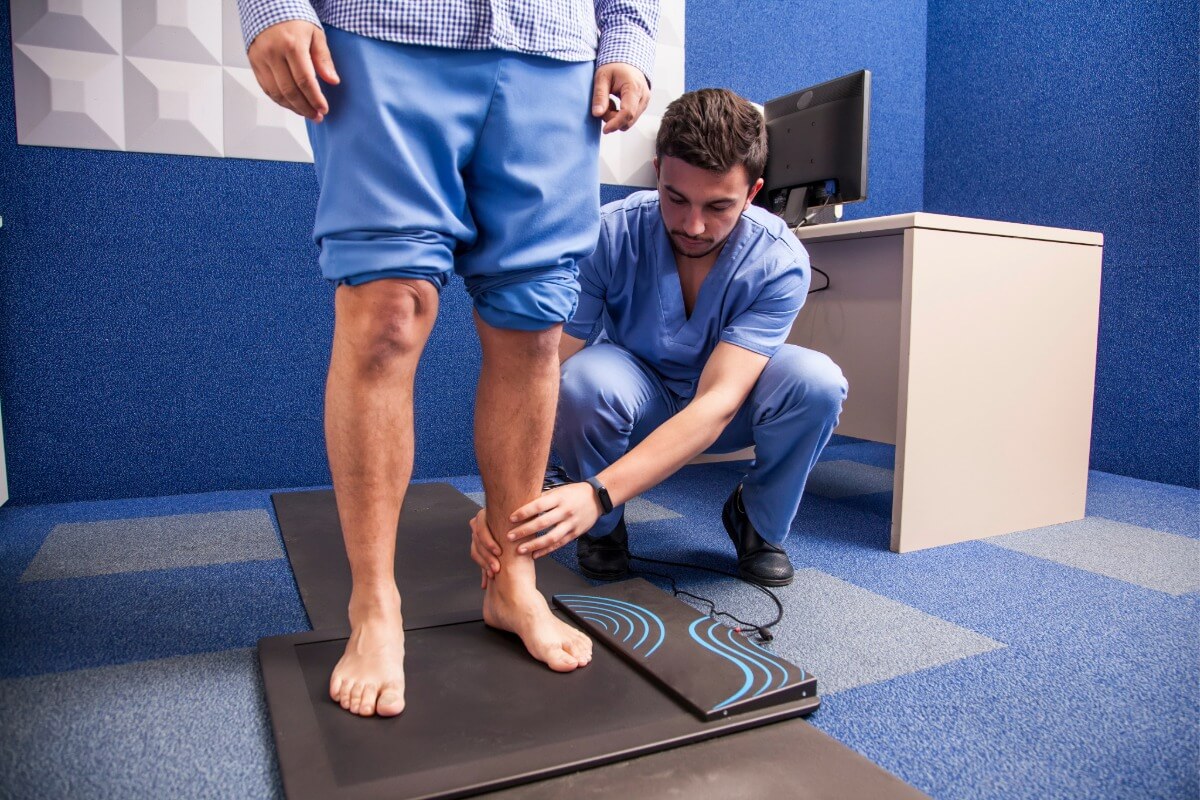


Request your podiatry consultation now
Fill out our contact form for a prompt call back. Diablo Foot & Ankle: Premier podiatry group in Walnut Creek & Antioch
